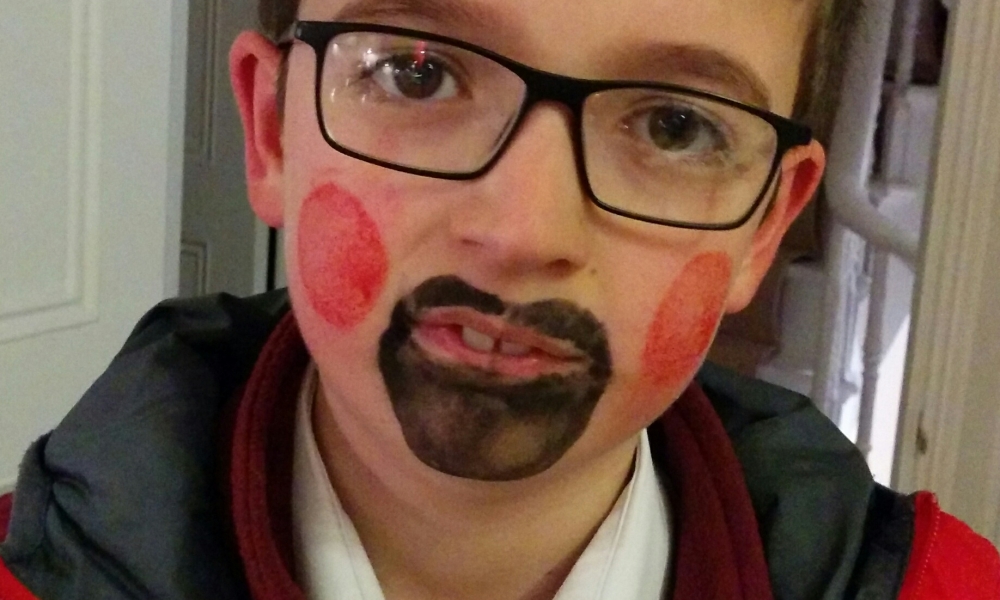
OK, so for anyone who thinks my shirts are funky and attention-grabbing now … just wait until they make this BioAlloy in men’s shirts my size!

BioAlloy Wine Fabric

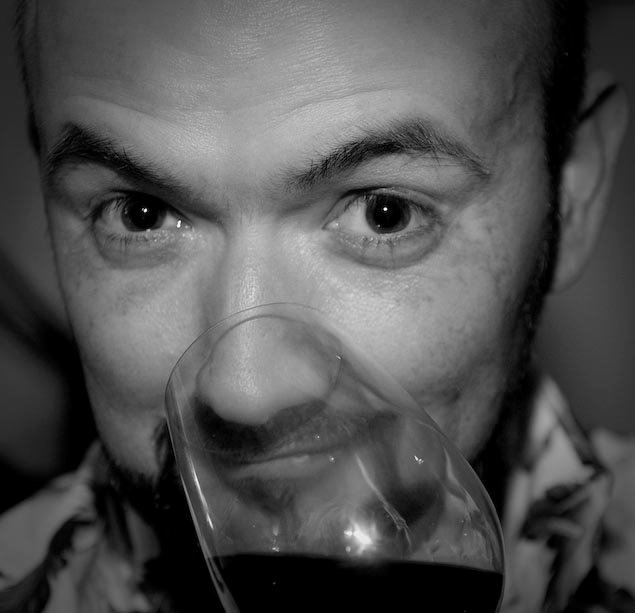
Rather moody impression of the BioAlloy Wine Fabric

From the site:

Imagine a fabric that grows…a garment that forms itself without a single stitch!

The fashion that starts with a bottle of wine…

Micro’be’ fermented fashion investigates the practical and cultural biosynthesis of clothing – to explore the possible forms and cultural implications of futuristic dress-making and textile technologies.

Instead of lifeless weaving machines producing the textile, living microbes will ferment a garment.

Not at all sure about their obsession with the fabric as flesh-like (zombies? surgery room? WTF??) but the concept of bacteria and other organisms being able to ‘grow’ fabrics is certainly interesting, especially if it could come from waste materials from wine-making.

If you happen happen to want more background on how this ‘fabric’ is made, this is from the technical paper:

In contrast to the ‘Fibre Reactive’ living material, Microbe fermented wear will be produced by biological fermentation. This consists of a colony of bacteria (Acetobacter) that ferment wine into vinegar. This activity’s by-product is the synthesis of large quantity micro fibrils of cellulose (synonymous to plant based cotton). It is this process that will be used to fashion the garments

yum!

Enhanced by Zemanta

So, this is the wine that officially marked the 150th anniversary of Italian unification?

UNA on The Dieline Packaging Blog

Click on image for further images

I just came across this link via the excellent packaging blog The Dieline, although this is actually a 2 year old project by Cibic Workshop on behalf of Vinitaly.

Let me start by saying that I LOVE Italy. Honestly I do. I grew up there and for many years was more Italian than British, but I think I love the IDEA of Italy more than the actual place (PLEASE do take the time to watch the excellent documentary film: “Girlfriend in a Coma” on this subject which prompted me to be thinking about Italy).

This wine concept just says so much about what appears to be wrong with the country today.

The design is minimalist and elegant, Italy does design well, yet it is also arrogant, sexist and self-indulgent.

The effect is at the simultaneously minimal and overdesigned. It is elegant, but it also feels like it is trying just a bit too hard to be cool. The illusion is easily shattered.

The wine themselves are each blends of 20 indigenous varieties which sounds like a good idea, but makes you wonder what you get out of the experience when it says little about the real wines of Italy. The irony is that these wines fall foul of all the MANY (DOCG, IGT, etc.) laws in place intended to uphold the quality of Italian wine.

Where is the information that informs the owner of the bottle? Where is the pride in Italy, its history and culture? All you get is a tiny label with the bottle number, the dates (1861 – 2011) and the prosaic “Red/White Wine of Italy”. Minimalism is taken to an extreme that implies there is nothing else that can, or needs to be, said.

Is it actually more likely that there is nothing else that they could agree to display? Is it arrogance, or evidence of lack of real cooperation and understanding? Is the message of the bottle marking unification that the country is actually still highly divided and mistrustful?

The bottle shapes are also typically sexist ideas. To quote from the release:

“The couple is the symbol of unity itself, the two bottles evoke a male and a female, and so the red wine bottle is a strong man and the white wine bottle is a elegant and slender woman.”

Yawn! Another strong male and his slim, attractive female partner. Seems that sexual politics have not changed that much since 1861 then?

Then to self-indulgence.

“To open it you need a key, an instrument that symbolizes the precious wine in it.
The key is the archetype of loyalty and trust towards the people they are entrusted to.”

Does the key symbolise loyalty and trust? I would have thought the opposite. You lock it away because you can’t trust anyone.

No, the key is a symbol of the fact that what might be good about Italy is being designed to death, layered with expensive trappings, then locked away from the world so that it remains aloof and unreal, a collectors’ item for those with lots of money and not interested in the realities of where this comes from. Is this the real message?

Sorry Italy. This is not what I remember or fell in love with.


Enhanced by Zemanta

Here’s a brief observation, just for fun, concerning my recent post about the return of wine to British mainstream television.

What can you say about wine in 3 minutes and 14 seconds?

BBC Food & Drink - rushing their wine

BBC Food & Drink – rushing their wine

The BBC has relaunched the Food & Drink programme, and to their credit have recruited not only a highly regarded, skilled Chef in Michel Roux Jr. but, unlike other food programmes, also hired a permanent wine presenter, Kate Goodman.

In the first episode I was excited to hear Kate present and discuss Dao wines from Portugal, and stand up for German Riesling. Each region got a decent, if rather general, coverage.

This week, we had sparkling wines from two regions side by side, Prosecco and English Sparkling wine, and the merest whiff about Madeira (though enough to make me wish I had some at home).

As I said on twitter, I will not complain about the choice of wines (I think they are fine in fact, even if one could argue that there are many other styles of sparkling wine that might go well with Afternoon Tea) but it was obvious that the coverage of the wines was rather limited and even more general.

Start your stopwatches

In the interests of research, I timed any mention of “drink” (covering not only wine) in the programmes to see what percentage of the show was dedicated to the “& Drink” part of the name, not just “Food”. The results were:

  • Episode 1: 4 minutes, 11 seconds (or 14% of the running time of 30 minutes) – including discussion of spiced apple juice and cider
  • Episode 2: 3 minutes, 14 seconds (or 11% of the running time of 30 minutes) – including 46 seconds about tea

Several people I spoke to on Twitter mentioned how brief the wine coverage seemed to be in this format, and it seems a waste to have a co-presenter who is so under-utilised.

Let’s hope the format develops, including getting extra air-time and therefore more scope to include useful details on wine.


Enhanced by Zemanta

Last night, the BBC aired the first episode of their new Food & Drink programme with Michel Roux Jr in charge. Joining him to bring a taste of wine to the show is TV newcomer Kate Goodman. Together they are reviving the seminal Food & Drink TV brand that many middle-age wine drinkers will remember from their formative years.

BBC Food & Drink and wine

BBC Food & Drink; Michel Roux Jr, Kate Goodman and Tom Kerridge enjoy wine

The original programme was the one responsible for bringing Oz Clarke and Jilly Goolden together to entertain, beguile and confuse us regarding the wines of the world and was thus an integral part of the explosion in (quality) wine consumption in the UK.

The new programme has an issue though, but they may have turned the weakness into an opportunity – or at least partly.

The BBC is enforcing its guidelines to avoid mentioning or endorsing specific brands, and while that may be OK for a cut of pork, or balsamic vinegar as a cooking ingredient, it is not helpful for wine. Consumers expect to know what wine is being drunk and tasted so they might find it and buy it.

Other programmes, such as Saturday Kitchen, also include wine content, and presenters such as Olly Smith, Tim Atkin, Susie Barrie and Peter Richards show a single bottle and because of this, it is almost exclusively selected from UK supermarket shelves so that it is available to a majority of the show’s audience.

Food & Drink gets around the issue of where to select wines from by having Kate Goodman focusing on the provenance of the wine itself, educating the audience (in a gentle way) about styles of wine rather than promoting individual bottles – and therefore studiously ensuring the brand is not shown, but being able to use wines only available in smaller merchants, and at a much higher average price point. Last night’s wines were a £13 Dao red from Portugal and a £13 German Riesling.

[if you want to know what I believe the wines were, visit my That Wine on TV site - just a play-thing at the moment]

Certainly the cookery content was aimed at a more basic level than many other programmes, covering roast pork and potatoes, and a relatively straightforward vegetable tarte tatin (which looked lovely). This was for a very wide audience indeed.

The effect, of course, is that the audience then clammered (on twitter, facebook, etc.) for information on what the wines were so that they might buy them, which I believe creates an interesting opportunity if not for the BBC, for an enterprising UK wine blogger (more of that later).

In theory at least, it means consumers are not just noting down a brand name on their shopping list, but concentrating on something like the regional name in order to help them buy better more generally. A laudable aim. Certainly the Dao and Mosel Riesling deserve better consumer awareness.

But will it work? Were people too distracted trying to work out what the wine was? Is there much value in giving totally generic advice about the style of wine from diverse regions such as these (not all Daos are fruity and the variety of Mosel riesling would make your head spin).

It will be interesting to see how this format develops and whether they can continue to avoid mentioning specific wines, or if they need to concentrate a little more on individual wines or producers rather than regions in order to have an impact. It might also allow others to develop related sites to help consumers which I discuss on “Wine on TV comes to a Second Screen

In any case, I shall be watching the series to see what other wines are featured and try to work out what they were, and opening a bottle of Dao and Mosel Riesling to celebrate with fellow wine lovers that wine is getting more TV coverage.


Enhanced by Zemanta

For most people, the taste of wine is not all that important – it simply tastes ‘nice’ or ‘not nice’. Wine lovers, those who’ve decided to pay closer attention to the sensations of their wine experiences, wines are often described in terms of fruit, flowers, herbs and other materials we are all familiar with.

Cover of "Sleeper"

Cover of Sleeper

This is fairly normal.

There are a few, and I fall ever-so-slightly in this area, for whom the ‘taste’ of wine actually has another dimension. In my case it is colour. I sometimes get a sensation, not from the sight, but from the smell, that a particular wine is ‘blue’ or ‘yellow’ or some other colour, but this is just a fleeting impression and not that defined or helpful.

“Synaesthesia – a condition in which the senses mix together so that sensations we normally consider separate start to intermingle. (Studies from the University of Edinburgh suggest 4% of the UK population could be affected by this blurring of the senses.)” BBC News

Imagine, therefore, those for whom this is full-blown? Would you want “girlfriends … flavoured of rhubarb and melted wine gums.” (you need to read the BBC article to understand that one)?

Imagine tasting a wine and it evoking all sorts of images, sounds, memories and feelings? Sounds exciting, and potentially uncomfortable.

Unfortunately we don’t seem to know how it happens yet, but the article on the BBC made me think. What if we could do this BACKWARDS and engineer that certain sounds or sights evoked the taste of certain wines? Is that the future of wine appreciation?

If aromas make up most of what we experience from wine, and aromas are chemical molecules (or their vibrations), and we can plug these into brains … I imagine future wine lovers like Woody Allen enjoying his Orgasmatron in Sleeper :)

See? I told you the science of life was going to become more important to wine lovers!

More information on Synaesthesia here

Enhanced by Zemanta